

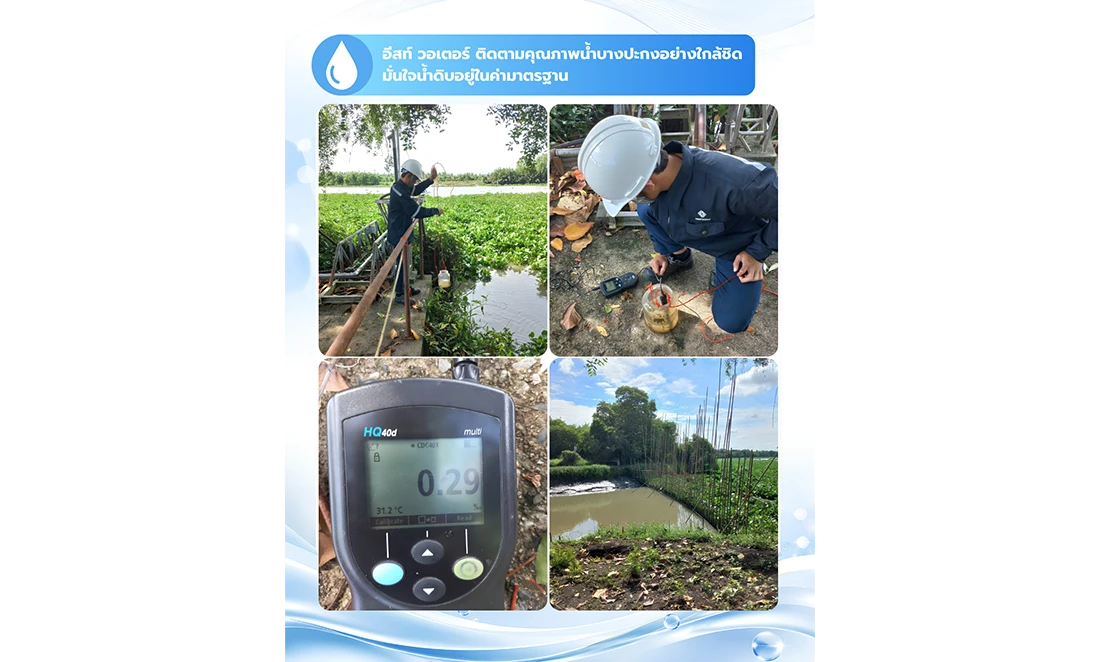
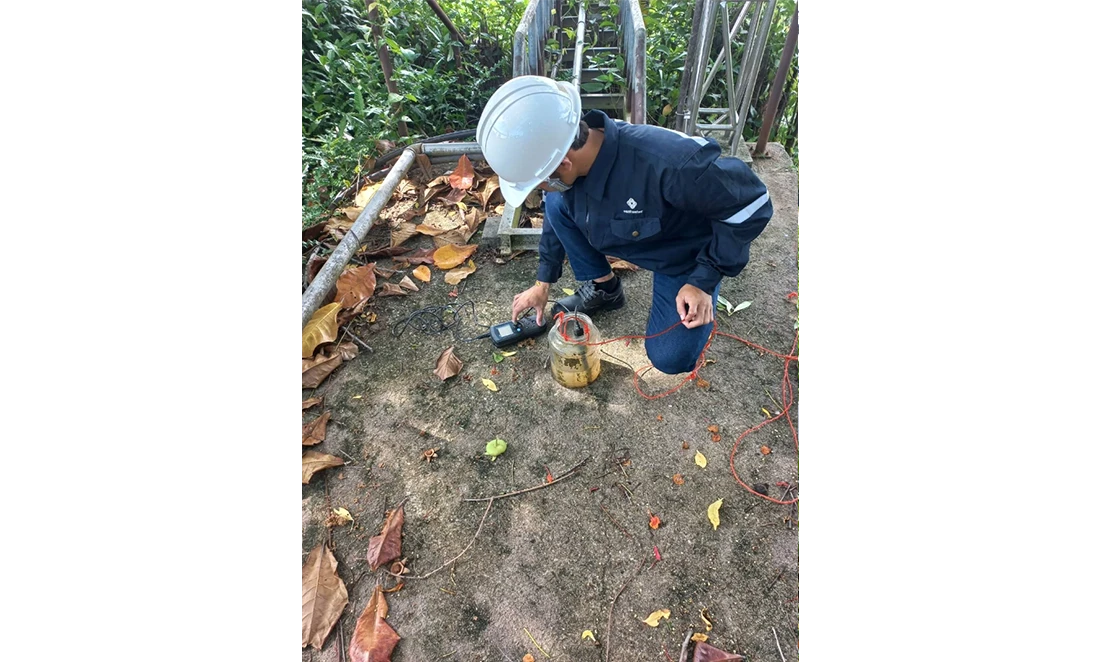
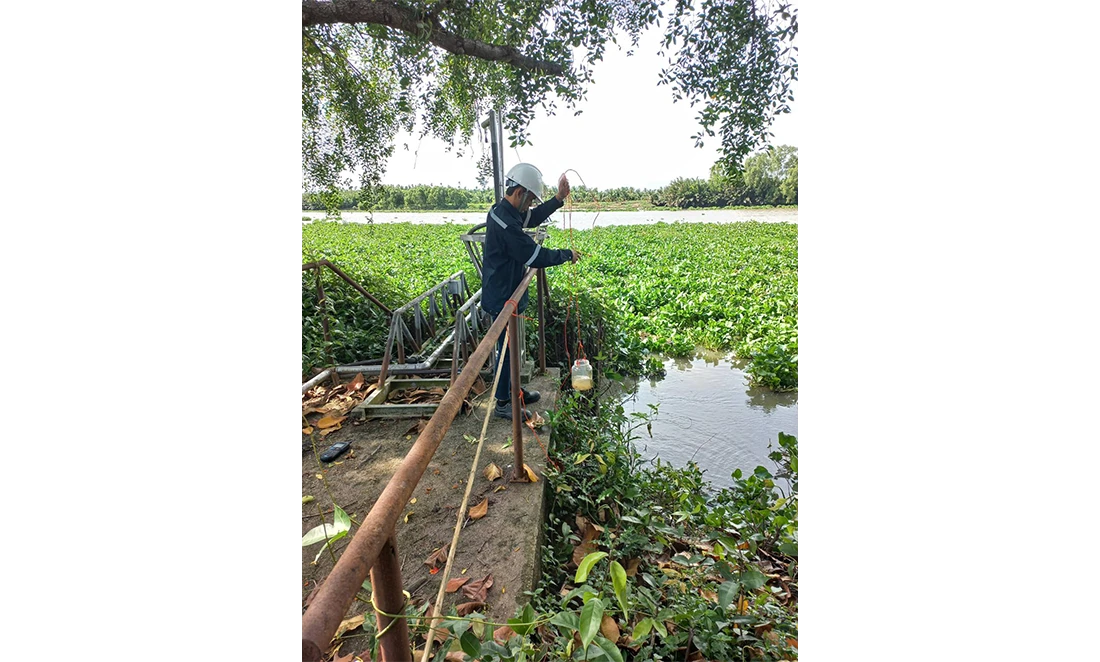
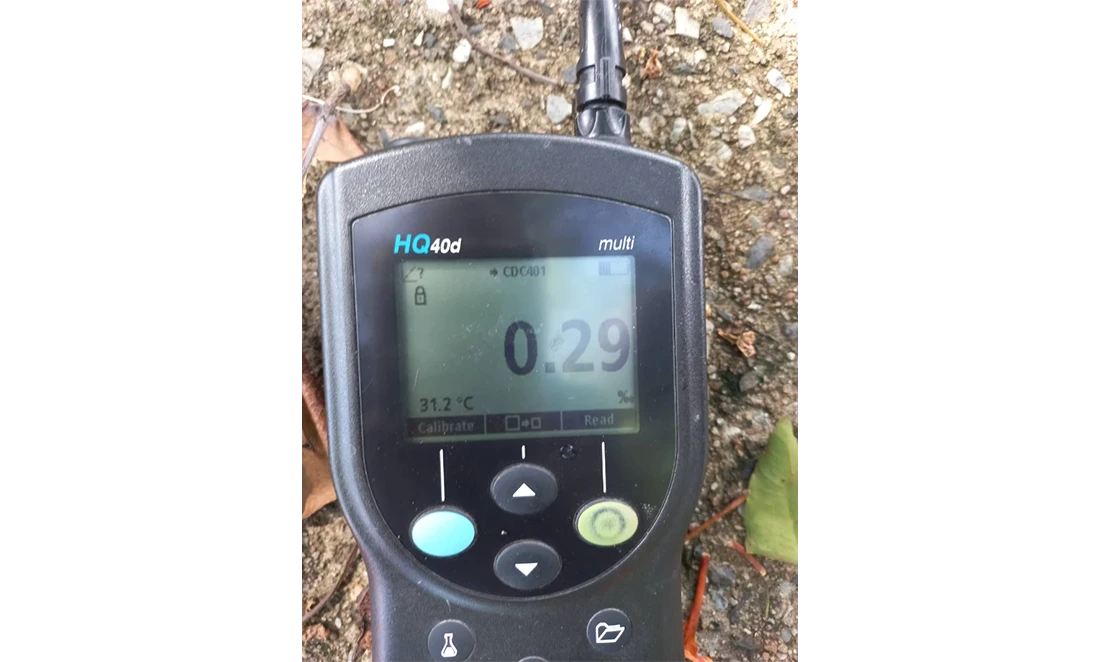
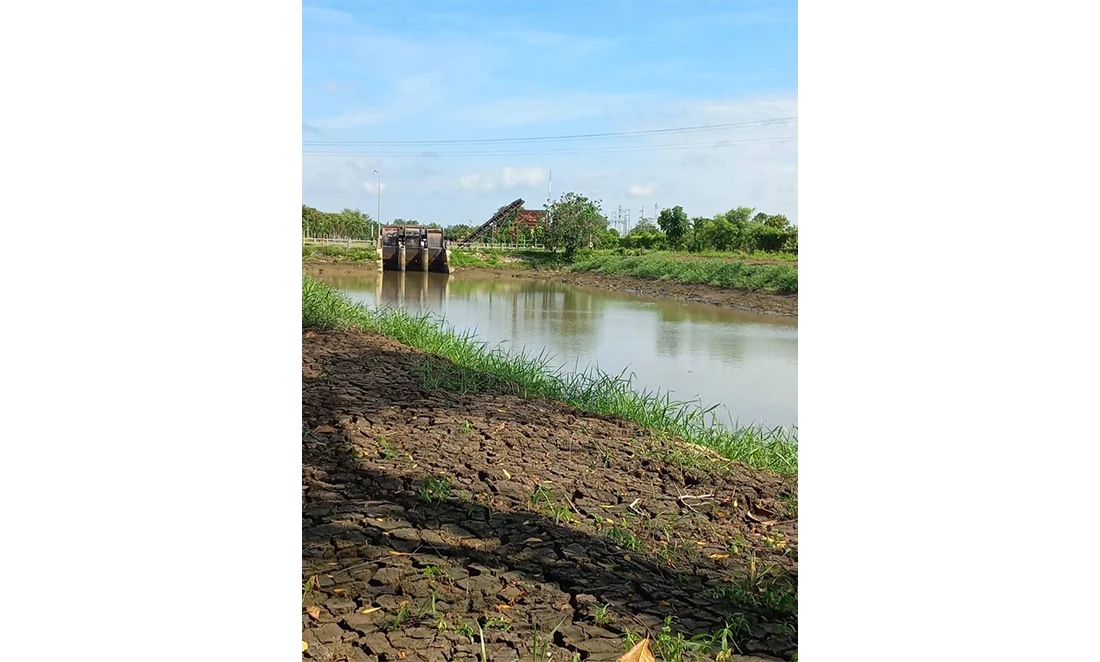
Water quality monitoring results as of 13 July 2026, 08:00 a.m., indicate that the Bang Pakong River remains in good condition, with a continuing positive trend. Key salinity-related indicators including Conductivity, Total Dissolved Solids (TDS), Salinity, and Chlorinity—have declined significantly compared to the beginning of the month, reflecting improved raw water conditions suitable for both drinking water production and industrial water supply.
- Conductivity: 583 µS/cm
Conductivity measures the water's ability to conduct electricity, which reflects the concentration of dissolved salts and minerals. A lower value indicates reduced salinity. The current reading has dropped substantially from approximately 1,500 µS/cm recorded earlier this month, demonstrating a significant improvement in water quality.
- Total Dissolved Solids (TDS): 291.5 mg/L
TDS represents the total amount of dissolved substances, including naturally occurring minerals and salts. The current level is well within the suitable range for raw water used in potable water production.
- Salinity: 0.30 g/L
Salinity indicates the overall salt concentration in the water. The current low level suggests an increased presence of freshwater and shows no signs of seawater intrusion that would raise concern.
- Chlorinity: 145.75 mg/L
Chlorinity measures the concentration of chloride ions and serves as an important indicator for monitoring seawater intrusion. The current value has decreased considerably from the beginning of the month, confirming that the risk of saltwater intrusion has significantly diminished.
- pH: 7.53
The pH level indicates the acidity or alkalinity of water. A value close to 7 is considered neutral. The current reading falls within the normal range, making the water suitable for potable water production and general use.
EAST WATER manages water resources through its integrated Water Grid network, which enables efficient water distribution across the Eastern region. Before raw water is pumped back for storage at Bang Phra Reservoir, it is supplied to customers along the transmission route, serving both industrial users and local communities.
To ensure the highest standards of water quality, EAST WATER continuously monitors and controls water quality throughout every stage of the supply chain—from the raw water source, during transmission, to the final delivery point—ensuring that all water supplied to customers consistently meets established quality standards.
Through its continuous real-time water quality monitoring system and systematic water management approach, EAST WATER remains committed to delivering a stable, reliable, and sustainable water supply. The company is confident in its ability to manage water resources efficiently while ensuring long-term water security and supporting the needs of communities, industries, and economic development across the Eastern Economic Corridor (EEC).


