

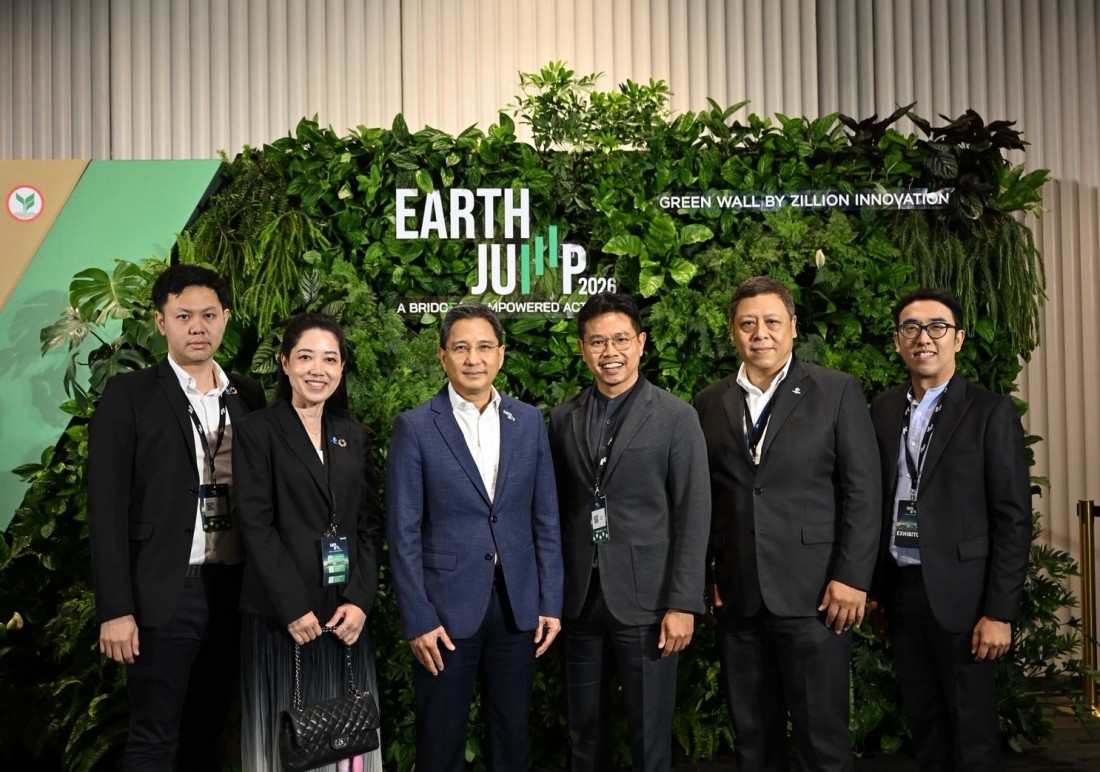

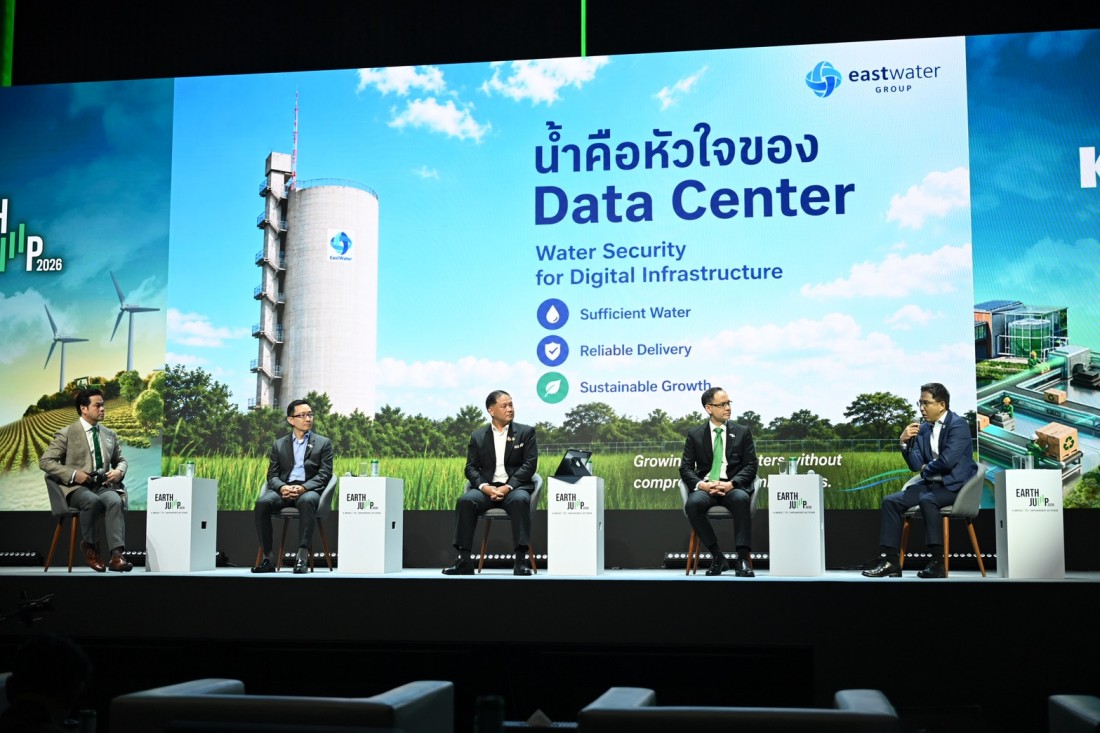
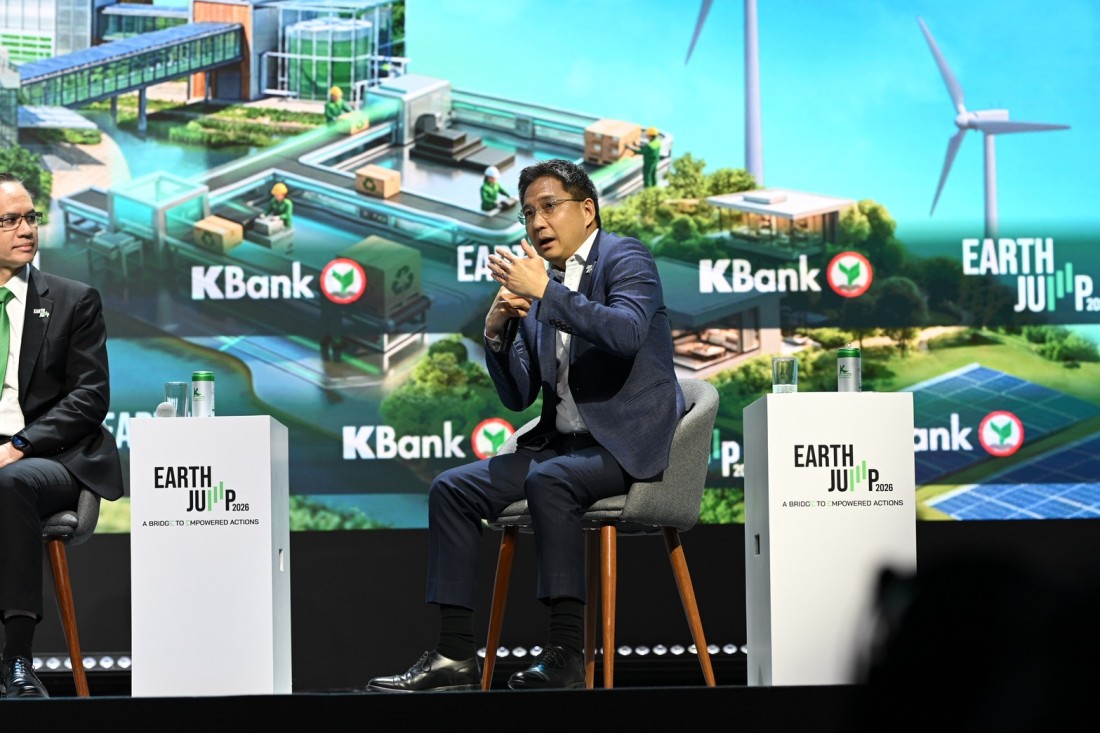
Mr. Bordin Udol, Chief Executive Officer of Eastern Water Resources Development and Management Public Company Limited (EASTW), participated as a panelist at Earth Jump 2026 hosted by Kasikornbank under the theme “No Sustainability, No Scale: The New Rules for AI & Data Centers.” He exchanged views with senior leaders from the country’s energy and infrastructure sectors on Thailand’s readiness to support the growth of the AI and data center industries on a sustainability basis.
Mr. Bordin stated that AI and data centers are emerging as critical infrastructure of the global digital economy. Consequently, a project’s “license to operate” is no longer judged by technological capability alone but must also consider resource readiness, energy availability, and comprehensive ESG-compliant business practices.
“In addition to electricity, water is a critical resource for data centers, particularly for cooling systems that require continuous and stable water supply. Therefore, the expansion of data centers must proceed alongside effective water resource management without adversely impacting communities or ecosystems,” Mr. Bordin said.
As the operator of the water grid linking key sources across the EEC, Mr. Bordin reiterated EASTW’s commitment to prioritizing water allocation according to national needs: household consumption comes first, followed by agriculture and ecosystems, and thereafter industry and new investments.
EASTW views the arrival of AI and data center industries as a significant opportunity to elevate the economy, create jobs, and develop workforce skills. However, sustainable growth requires all stakeholders to balance economic development with natural resource stewardship.
Mr. Bordin proposed that government agencies, the private sector, and utility providers adopt transparent communication and data sharing to build mutual understanding and trust—particularly regarding actual resource demand. Such transparency will enable precise planning for water and energy management, reduce losses, and improve national resource-use efficiency.
“Sustainability is achieved when all parties share reliable data, plan collaboratively, and build mutual trust. Resource management in the AI era is not the responsibility of any single organization but a collective effort across sectors so Thailand can fully realize this economic opportunity while safeguarding water security and citizens’ quality of life over the long term. This includes prioritizing water use and creating transparent demand–supply engagement among all stakeholders,” Mr. Bordin added.
EASTW remains committed to developing and managing water infrastructure in the EEC to support the growth of next-generation industries while ensuring water security for residents, communities, and ecosystems in line with the country’s sustainable development goals.


